Abstract Hand Drawn Decorative Shapes Review
As a designer who has spent years translating digital files into tangible thread, I approach every new machine embroidery design with a mix of excitement and skepticism. The market is flooded with generic patterns that look great on a screen but fall apart under the needle. When I first opened the file for Abstract Hand Drawn Decorative Shapes, my goal was simple: determine if this collection of Graphics could survive the transition from a digital preview to a high-quality finished product. This is not just about aesthetics; it is about how these elements perform when stitched onto real fabric for clients and customers.
The First Impression: Mood and Visual Rhythm
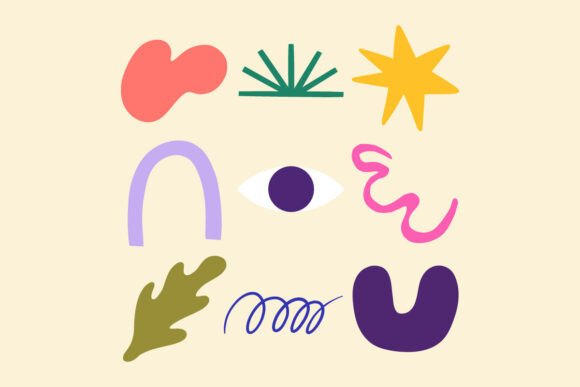
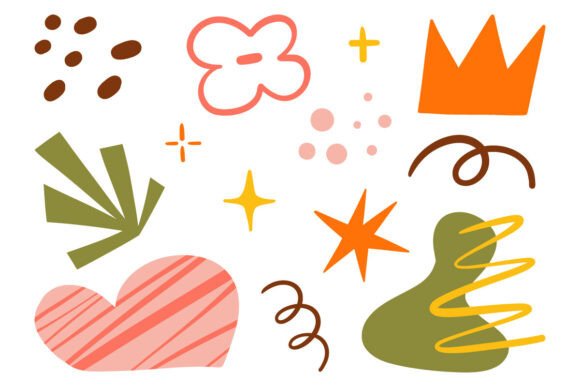
The moment I loaded the preview of Abstract Hand Drawn Decorative Shapes, the mood was immediately clear. This is an effervescent collection of 13 handcrafted elements that radiates an irregular rhythm. Unlike rigid, geometric vectors often found in standard Icons packs, these shapes feel organic and alive. They are composed of dots, lines, symbols, and amorphous blobs that mimic the imperfection of a sketchbook. For a designer looking to add a touch of whimsy or modern artistry to a project, this visual personality is refreshing. It suggests a handmade quality even before the machine starts running.
However, "hand-drawn" can be a double-edged sword in embroidery. The uneven lines and varying weights of the strokes require careful digitization to ensure they do not turn into tangled messes. My initial assessment is that the design relies heavily on the interplay between fill stitch and potentially some running stitch details to maintain that sketched look without compromising structural integrity.
A Real-World Test: The Custom Tote Bag Scenario
To truly understand the utility of Abstract Hand Drawn Decorative Shapes, I imagined a specific client request. A local boutique owner wanted to launch a line of eco-friendly canvas tote bags featuring unique, artistic branding. She needed something that felt personal but scalable. I decided to mock up a layout using three of the larger shapes from the collection, arranged asymmetrically on the front panel of a natural cotton tote.
In this scenario, the design shines. The irregular rhythm of the dots and lines breaks up the large expanse of the bag's surface beautifully. Because the shapes are abstract, they do not compete with the brand logo if placed nearby; instead, they act as supportive design assets that elevate the overall presentation. The organic nature of the lines would likely translate well into a satin stitch border or a textured fill stitch depending on the desired weight. For an Etsy seller or small shop owner, this versatility is key. You could use one shape as a small accent near the handle or combine several to create a bold statement piece.
Performance on Different Fabrics and Products
When moving beyond the tote bag, the adaptability of Abstract Hand Drawn Decorative Shapes becomes both its strength and its challenge. These elements work exceptionally well on stable fabrics like denim, heavy cotton, and linen. Imagine a sweatshirt embroidery project where a cluster of these shapes is stitched on the chest pocket. The slight texture of the hoodie fabric complements the rough edges of the hand-drawn style, creating a cohesive, urban aesthetic.
They also hold promise for personalized gift items like pillow covers or kitchen towels. On a tea towel, a single, delicate line element from the set could frame a monogram, adding a sophisticated touch without overwhelming the text. For baby embroidery, the softer, rounded shapes in the collection could be used on a blanket or bib, provided the stitch density is adjusted to keep the fabric soft against a baby's skin.
However, caution is required with stretchy fabrics like jersey knit or very thin materials. The open areas within the abstract shapes might allow the underlying fabric to show through too much, or the tension could cause puckering. In such cases, a heavy-duty stabilizer is non-negotiable. Similarly, while these designs are fantastic for flat surfaces, applying them to curved surfaces like caps requires careful placement. The complex curves of the shapes might distort if forced onto a small cap brim.
Technical Considerations for the Professional Designer
Before committing to a production run, there are critical technical steps to take with any digital embroidery file of this nature. First, always test the design on scrap fabric that matches your final material. The stitch density of hand-drawn styles can be tricky; if it is too dense, the fabric will stiffen, ruining the drape of a garment. If it is too sparse, the design may look unfinished.
Second, pay close attention to thread colors. The charm of Abstract Hand Drawn Decorative Shapes lies in its contrast. Using a dark thread on a dark background will hide the intricate details of the dots and lines. I recommend testing the design in black and white printable mockups first to visualize the contrast before threading the machine. Additionally, check the smallest elements in the collection. Some of the tiny dots or fine lines might disappear if you reduce the size too much for a small hoop application.
For those planning to sell finished goods, verify the licensing terms. While these are excellent commercial embroidery assets, you must ensure you have the right to sell the physical products created with them. As a professional, I also advise checking the file format compatibility with your specific machine software to avoid unexpected errors during the stitching process.
Impact on Brand Value and Customer Perception
Ultimately, the decision to use Abstract Hand Drawn Decorative Shapes comes down to the value it adds to your brand. In a market saturated with mass-produced, perfectly symmetrical logos, the imperfect beauty of these Graphics stands out. It signals to the customer that the product is thoughtful, artistic, and crafted with care. Whether you are creating an embroidered patch for a streetwear brand or a holiday embroidery decoration for a home decor shop, these shapes convey a sense of uniqueness.
Customers today appreciate authenticity. A tote bag or apron adorned with these handcrafted elements feels more like a curated item than a commodity. This perception increases the perceived value of the handmade product, allowing you to justify a higher price point. Furthermore, the variety of 13 different elements means you can create multiple variations of a product without needing to buy new designs constantly, which is a huge plus for craft business owners managing inventory.
Final Verdict for Makers and Entrepreneurs
Abstract Hand Drawn Decorative Shapes is a versatile and stylish addition to any embroidery library. It excels in projects that require a touch of modern artistry, such as custom apparel, home textiles, and boutique merchandise. While it demands attention to detail regarding stabilizer choice and thread contrast, the payoff is a visually striking result that resonates with discerning buyers.
If you are looking to break away from the standard corporate look and inject some personality into your embroidery project, this collection is worth exploring. Just remember to test, adjust, and trust your eye. With proper execution, these shapes will transform ordinary fabric into extraordinary pieces of wearable art.