Decorative Papercut Stencil SVG 3 Review
As a designer who has spent years navigating the intersection of digital art and physical stitching, I approach every new asset with a specific set of questions. Does this graphic translate well from a screen to fabric? Will it hold up under the tension of a machine? And most importantly, does it add value to a finished product? Recently, I evaluated Decorative Papercut Stencil SVG 3, a design asset listed under Crafts and Graphics, to see if it could survive the transition from a cutting file to a high-quality embroidery project.
The First Impression: Visual Weight and Structure
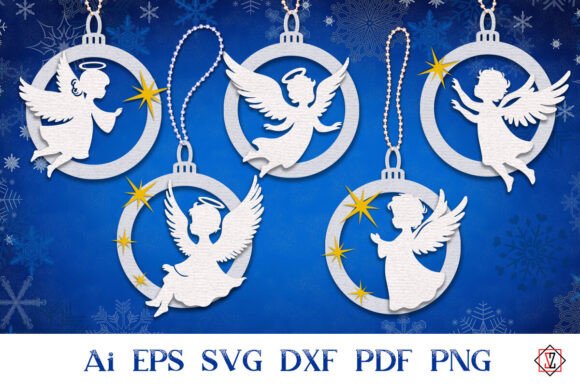
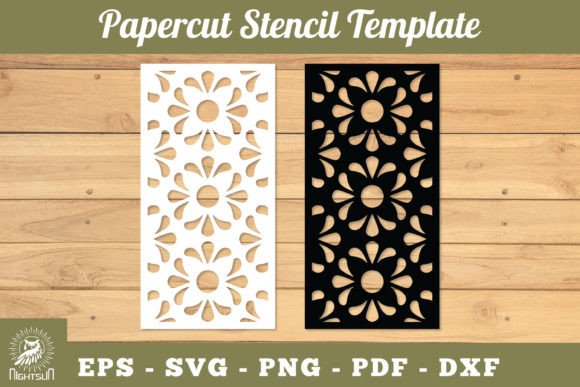
When you first open Decorative Papercut Stencil SVG 3, the immediate visual impact is one of intricate elegance. The design mimics the delicate nature of traditional paper cutting, characterized by interlocking shapes and fine lines. In the world of Graphics, this style is visually stunning, but in embroidery, it presents a unique challenge. The mood it creates is festive yet sophisticated, making it an excellent candidate for holiday decor or boutique branding.
However, my professional instinct immediately shifts to analyzing the line weight. For a machine embroidery design to work, the lines must be thick enough to be filled with thread without collapsing. While the SVG format allows for scaling, the inherent thinness of a papercut style means that simply converting the vector to a stitch file might result in gaps or uneven coverage. This is where the versatility of the included files becomes relevant. With access to the AI CS6, EPS, and DXF formats, a skilled digitizer can thicken critical areas before converting them into a usable embroidery file.
A Real-World Scenario: The Custom Tote Bag Project
To truly test the potential of Decorative Papercut Stencil SVG 3, I imagined a specific use case: creating a limited-run collection of canvas tote bags for a local craft fair. These bags are intended as personalized gifts for teachers and community leaders. The goal was to create a bold, recognizable logo that felt handmade yet professional.
In this scenario, the design would be placed on the front panel of a natural-colored cotton tote. The contrast between the dark thread and the light fabric would highlight the intricate details of the stencil pattern. However, I had to consider the texture of the canvas. A heavy-duty fabric like canvas can sometimes swallow fine details if the stitch density isn't high enough. If I were using this as an applique design, the layered look of the papercut style would actually enhance the depth, turning the flat graphic into a tactile experience.
For a standard fill stitch application, the key would be ensuring that the negative spaces within the design do not become too small. If the gaps are smaller than the needle width, the threads will bridge unintentionally, ruining the "papercut" illusion. By reviewing the High Quality PNG and PDF versions, I could zoom in to check these micro-details before committing to a full production run. This step is crucial for any Etsy seller or small business owner who wants to maintain quality control.
Navigating Fabric and Hoop Challenges
Not all projects are created equal, and Decorative Papercut Stencil SVG 3 requires careful selection of materials. While it shines on stable fabrics like denim, twill, or heavy cotton, it demands caution when used on stretchy knits or thin linens. On a sweatshirt, the movement of the fabric during stitching can distort the delicate curves of the stencil design. To mitigate this, a robust stabilizer is non-negotiable. Without proper backing, the intricate loops of the design may pucker or shift, leading to a messy finished product.
Furthermore, the hoop size plays a significant role. The expansive nature of the papercut layout suggests it needs room to breathe. Attempting to cram this design into a small 4x4 hoop would likely require breaking the design into segments, which risks misalignment and visible seams. For a seamless look, especially on items like pillow covers or aprons, a larger hoop or frame is recommended. If you are working on curved surfaces like caps, the complex geometry of the design might struggle to lay flat against the brim, potentially causing registration issues.
Stitch Techniques and Color Strategy
When converting Decorative Papercut Stencil SVG 3 for embroidery, the choice of stitch type defines the outcome. A simple running stitch outline might capture the essence of the cut paper but lacks durability for commercial goods. Instead, a combination of satin stitch for the outer borders and a dense fill stitch for the interior shapes would provide the necessary structure. The thread colors selected should complement the complexity; monochromatic schemes often work best to emphasize the shape rather than distract from it with too much color variation.
I also recommend testing the design in black and white mockups before purchasing thread. This helps visualize how the negative space interacts with the positive elements. For a holiday embroidery project, perhaps a deep red or forest green on cream fabric, the contrast is vital. If the background fabric is dark, the design might need a layer of white underlay to pop, adding another step to the digitizing process.
Practical Notes for Designers and Makers
If you are considering Decorative Papercut Stencil SVG 3 for your craft business, here are my top recommendations based on practical experience:
- Test on Scrap Fabric: Never skip the test run. Stitch the design on a scrap piece of the actual fabric you intend to use. Check for puckering, thread breaks, and clarity of detail.
- Verify Licensing: Before selling finished items like embroidered patches or custom apparel, confirm the licensing terms. Ensure you have the right to sell products made with this digital product.
- Inspect Small Details: Zoom in on the SVG and DXF files to ensure no lines are overlapping incorrectly, which can cause digitizing errors later.
- Consider Applique: If the design feels too fragile for direct stitching, consider using the shapes as templates for applique work. This adds texture and makes the handmade product feel more premium.
- Mockup Your Listings: Use the High Quality PNG to create realistic printable mockups for your shop. Customers need to see exactly how the intricate details will appear on their final item.
Final Verdict: Value for the Modern Maker
Decorative Papercut Stencil SVG 3 is a versatile asset that bridges the gap between digital cutting and textile art. While it requires a thoughtful approach to digitizing and material selection, its potential to elevate a personalized gift or a small shop product is significant. It offers a unique aesthetic that stands out in a sea of generic floral or geometric patterns.
For the experienced embroiderer willing to tweak stitch settings and choose the right stabilizer, this design is a winner. It transforms simple custom apparel into conversation starters. Whether you are making baby embroidery for a nursery, holiday gifts for friends, or merchandise for your brand, the intricate beauty of this papercut style adds a layer of professionalism and care. Just remember to respect the limitations of the medium, test thoroughly, and let the design shine through proper execution.