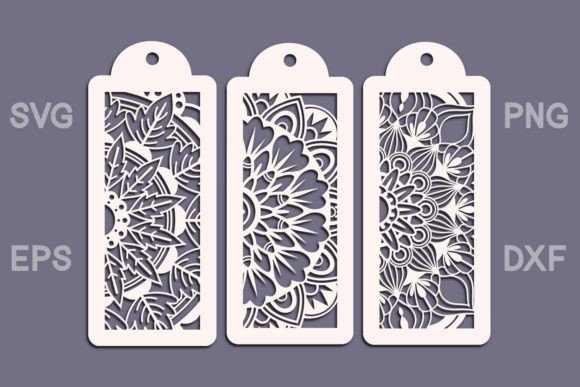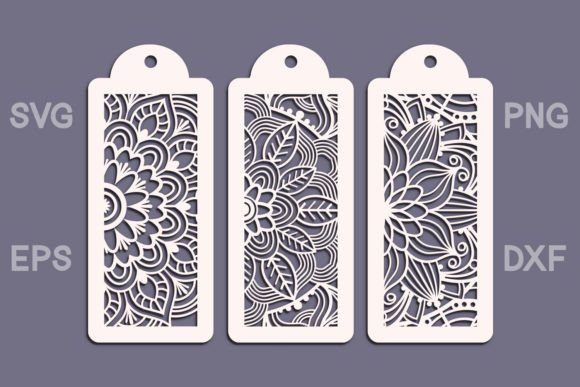
Geometrical Mandala Bookmarks 3 SVGs Review
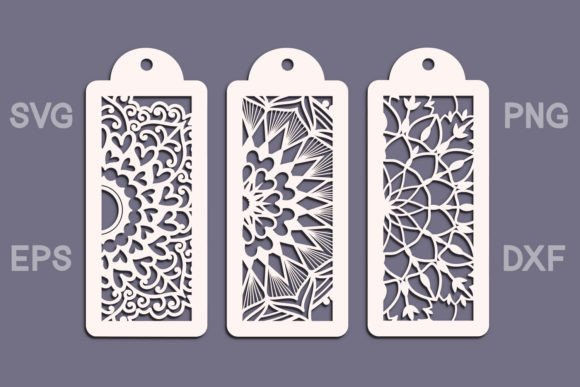
As a designer who has spent years navigating the fine line between digital perfection and physical stitching, I approach every new asset with a critical eye. When I first opened the Geometrical Mandala Bookmarks 3 SVGs, my immediate reaction was one of appreciation for clean lines and symmetry. However, the product description explicitly categorizes this as a collection ready to cut for Laser Cutting projects within the Other Home Decor category. This distinction is vital. While the geometric precision is beautiful, translating these sharp, intricate vectors into a machine embroidery design requires a different mindset than simply cutting them out of wood or acrylic.
The First Impression: Precision vs. Thread Reality
The visual personality of these mandalas is crisp, modern, and highly structured. In a digital preview, the interplay of lines creates a mesmerizing pattern that feels balanced and sophisticated. For an Etsy seller looking to create high-end bookmarks or decorative wall art using laser tools, these files are likely flawless. But let's talk about what happens when we try to adapt this aesthetic for embroidery. The sharp angles and tiny intersections that look stunning in an SVG file can become problematic when converted to stitches.
In embroidery, thread has thickness. Unlike a laser beam that can make hairline cuts, a needle must push through fabric, creating bulk. If you attempt to stitch these mandalas exactly as they appear in the source file without significant modification, you risk losing the delicate details. The stitch density might become too high in the center, causing the fabric to pucker, or the tiny gaps might fill in completely, turning your open geometric design into a solid blob of thread.
A Real-World Scenario: The Custom Tote Bag Project
Imagine you are preparing a custom order for a boutique client who wants a set of embroidered tote bags featuring a subtle, artistic motif. You decide to use the Geometrical Mandala Bookmarks 3 SVGs as the inspiration for a patch design. You envision placing a small version of the mandala near the handle attachment point on a heavy canvas bag. It sounds perfect on paper. Now, picture the execution.
If you load the file directly into your machine, the small details will likely vanish. On a textured fabric like canvas, the running stitch or thin outlines required to define the geometry might get lost in the weave of the material. Furthermore, if the design relies on very small inner circles or tight corners, the needle may struggle to turn sharply, leading to thread breaks or skipped stitches. A customer expecting the crisp definition seen in the digital mockup would be disappointed by a muddy, indistinct result. This is why understanding the limitations of your embroidery file format is crucial before committing to a finished product.
Navigating Fabric and Hoop Challenges
When considering where to use these designs, you must be selective about your materials. These geometric patterns demand stability. Using them on stretchy fabrics like jersey knit for a t-shirt or sweatshirt is risky unless you use a heavy-duty stabilizer. The tension required to pull the thread through the complex shape could distort the fabric, warping the symmetry of the mandala. Similarly, on dark fabrics, the contrast of the thread becomes paramount. Without careful selection of thread colors, the intricate details might blend into the background, making the design invisible from a distance.
Hoop size is another critical factor. While the original product is designed for cutting, if you are adapting it for embroidery, you need to ensure the design fits comfortably within your hoop without excessive stretching. Small hoop sizes can exacerbate the issue of detail loss. If the design is scaled down too much to fit a cap or a baby item, the geometric elements will merge. It is often better to keep the scale larger, perhaps on a pillow cover or a kitchen towel, where the eye can appreciate the complexity of the pattern.
Practical Designer Notes for Success
If you are determined to bring the aesthetic of Geometrical Mandala Bookmarks 3 SVGs into the world of thread, here are my practical recommendations based on real project experience:
- Test on Scrap Fabric First: Never skip this step. Stitch the design on a scrap piece of the actual fabric you plan to use. Inspect it under good lighting to see if the details hold up.
- Adjust Stitch Types: You may need to convert some outline vectors into satin stitch for definition, while using fill stitch for larger areas. Be prepared to manually edit the digitization to remove impossible-to-stitch micro-details.
- Check Contrast: Test the design in black and white mockups to ensure the shapes remain distinct against various background colors. High contrast is key for geometric clarity.
- Stabilizer is Non-Negotiable: Use a cut-away stabilizer for stretchy fabrics and a tear-away for wovens to support the density of the design.
- Review Licensing: Since this is a digital product sold for laser cutting, verify the license terms before selling finished embroidered items. Ensure you have the right to use the design for commercial embroidery projects.
Visual Appeal and Market Value
When executed correctly, a well-adapted version of this design can significantly boost the perceived value of a handmade product. Customers love unique, artistic motifs that stand out from generic clip art. An embroidered patch featuring a clean, geometric mandala can elevate a plain denim jacket or a simple apron into a statement piece. The sense of craftsmanship associated with detailed embroidery builds customer trust and enhances brand consistency for small shop owners.
However, the key is managing expectations. Do not promise the razor-sharp edges of a laser-cut bookmark if you are delivering a stitched version. Instead, market the texture and dimension that only thread can provide. The tactile quality of an embroidered patch adds a layer of warmth and authenticity that flat materials cannot match. This is particularly effective for holiday gifts, wedding favors, or personalized nursery decor where the "handmade" aspect is a primary selling point.
Final Thoughts on Adaptation
The Geometrical Mandala Bookmarks 3 SVGs are a fantastic resource for their intended purpose of laser cutting and home decor accents. For the embroidery community, they serve as excellent inspiration but require a skilled hand to translate effectively. They are not a plug-and-play solution for custom apparel without modification. As a creative entrepreneur, your ability to adapt these assets—knowing when to simplify, when to thicken lines, and how to choose the right backing—will determine the success of your project.
Whether you are creating a boutique product for your online store or a one-of-a-kind gift, remember that the medium dictates the method. By respecting the physics of thread and fabric, you can transform these geometric vectors into stunning textile art that delights customers and stands the test of time. Always prioritize quality over speed, and your craft business will benefit from the reputation of excellence you build with every stitch.